
Wondering if gentle birth is possible in Malaysia? If you’re reading this, chances are you are searching for a more calm way to bring your baby into the world, compared to what is portrayed in the mainstream media and the general public. As a HypnoBirthing Childbirth Educator and Doula in Malaysia for the last twelve years, I have seen many expecting mothers get frustrated with the lack of options available and the sheer amount of information to wade through to ensure that they make informed decisions. Coupled with sky-high medical intervention rates, being pregnant today can make the quest for a gentle birth a daunting experience. This article will discuss and clarify what gentle birth is, the benefits of gentle birth and the steps to take to achieve a gentle birth in Malaysia.
What is Gentle Birth?
Gentle Birth is centered around the belief that childbirth is a natural physiological process and women’s bodies are inherently capable of giving birth without unnecessary medical intervention. Similar to all other physiological processes in our bodies, the process of birth is also designed perfectly.
The cornerstone of gentle birth is that the mother is the central decision-maker during the process of labour and birth. The healthcare provider acts as a consultant, providing his/her professional opinion in the event of a medical emergency. The precursor to this is that the mother takes responsibility for her health and body by ensuring she is adequately educated on the nature of the birthing process and the options available to her. The ultimate goal is to make informed decisions that are right for the mother and her baby.
The last aspect of gentle birth is that the mother retains autonomy over her bodily instincts during birth. She is able to tune into and work with her body through the labour sensations in a way that feels most comfortable to her - whether it is through movement, assuming different positions or getting the rest that she needs.
Benefits of Gentle Birth
1. Sense of Empowerment and Satisfaction
Mothers usually report feelings of empowerment simply because they play an active role in the decision-making of their birthing process. Even when the birth takes an unexpected turn and the mother needs a cesarean section, she comes away from her birth experience with a greater sense of satisfaction, compared to if she had no say in the decisions made.
2. Reduced Stress and Anxiety
One of the key benefits of gentle birth is the reduction of stress and anxiety for expectant mothers. A serene and nurturing environment, along with a supportive birthing team and the fact that the mother maintains control over her body and decisions, can significantly lower stress levels, contributing to a more positive birth experience.
3. Fewer Medical Interventions
When mothers have confidence in their body’s ability to birth, they are less likely to need medical interventions such as inductions, epidurals, or cesarean sections. This leads to reduced health complications for both mother and baby and leads to faster postpartum recovery, easing the transition into parenthood.
4. Improved Bonding and Breastfeeding Success
A gentle birth approach promotes skin-to-skin contact between mother and baby immediately after the birth. This facilitates a stronger emotional bond, aids in breastfeeding success and reduces the chances of postpartum hemorrhage. This eases the postpartum period for both mother and baby.
What is Gentle Birth?
Gentle Birth is centered around the belief that childbirth is a natural physiological process and women’s bodies are inherently capable of giving birth without unnecessary medical intervention. Similar to all other physiological processes in our bodies, the process of birth is also designed perfectly.
The cornerstone of gentle birth is that the mother is the central decision-maker during the process of labour and birth. The healthcare provider acts as a consultant, providing his/her professional opinion in the event of a medical emergency. The precursor to this is that the mother takes responsibility for her health and body by ensuring she is adequately educated on the nature of the birthing process and the options available to her. The ultimate goal is to make informed decisions that are right for the mother and her baby.
The last aspect of gentle birth is that the mother retains autonomy over her bodily instincts during birth. She is able to tune into and work with her body through the labour sensations in a way that feels most comfortable to her - whether it is through movement, assuming different positions or getting the rest that she needs.
Benefits of Gentle Birth
1. Sense of Empowerment and Satisfaction
Mothers usually report feelings of empowerment simply because they play an active role in the decision-making of their birthing process. Even when the birth takes an unexpected turn and the mother needs a cesarean section, she comes away from her birth experience with a greater sense of satisfaction, compared to if she had no say in the decisions made.
2. Reduced Stress and Anxiety
One of the key benefits of gentle birth is the reduction of stress and anxiety for expectant mothers. A serene and nurturing environment, along with a supportive birthing team and the fact that the mother maintains control over her body and decisions, can significantly lower stress levels, contributing to a more positive birth experience.
3. Fewer Medical Interventions
When mothers have confidence in their body’s ability to birth, they are less likely to need medical interventions such as inductions, epidurals, or cesarean sections. This leads to reduced health complications for both mother and baby and leads to faster postpartum recovery, easing the transition into parenthood.
4. Improved Bonding and Breastfeeding Success
A gentle birth approach promotes skin-to-skin contact between mother and baby immediately after the birth. This facilitates a stronger emotional bond, aids in breastfeeding success and reduces the chances of postpartum hemorrhage. This eases the postpartum period for both mother and baby.

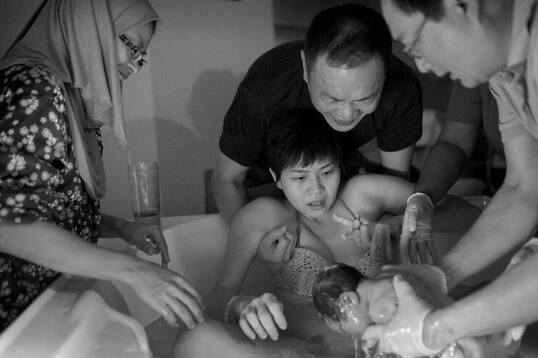
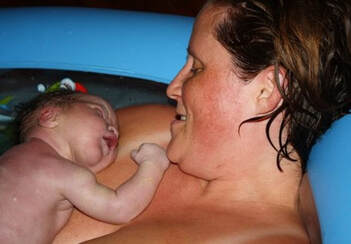
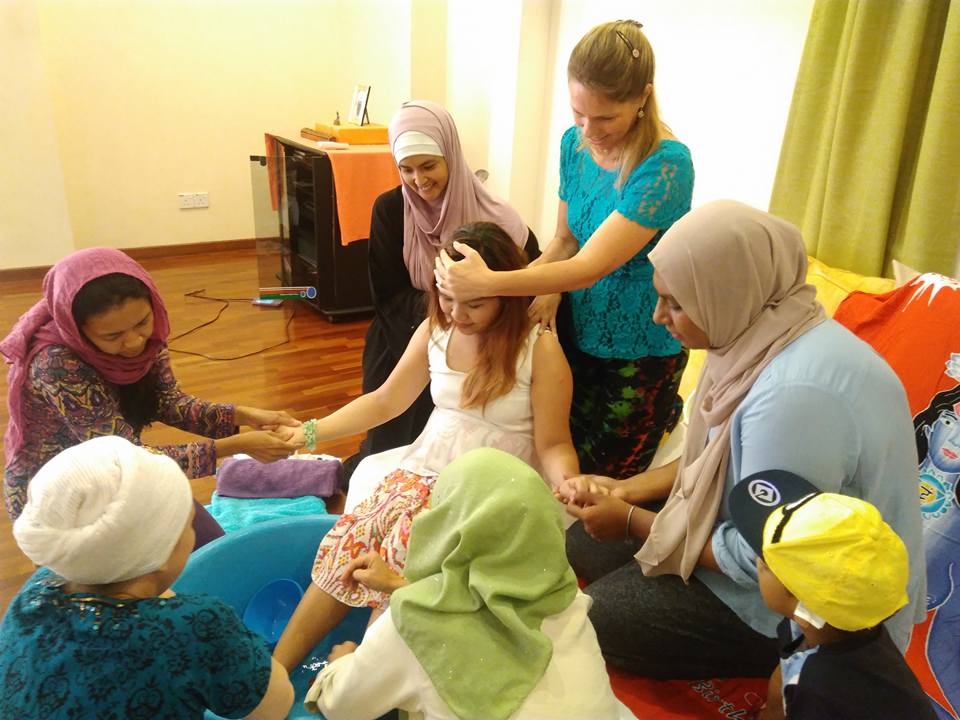
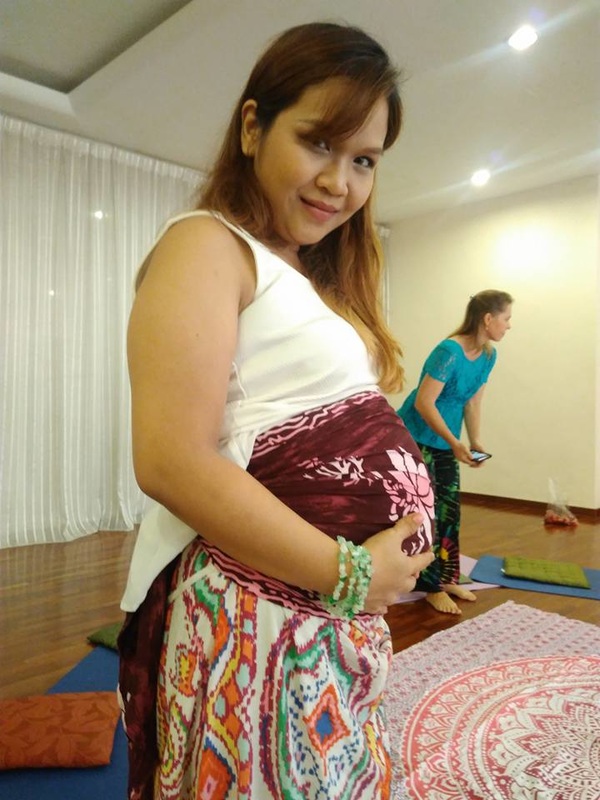
The calming element of water can help mother focus inwards.
Steps to Achieve a Gentle Birth in Malaysia
1. Empower Yourself with Knowledge
If you wish to have a gentle birth in Malaysia, it's essential to do your research and educate yourself about the birthing process and the various options available to you. Reading books and articles written by experienced midwives who support gentle birth can be very helpful. Consider attending local antenatal classes that focus on gentle birth. These classes equip the expecting mother and father with relevant information on the birth process, relaxation and coping techniques and how to choose the right healthcare provider. The local classes are usually conducted by Childbirth Educators or Doulas who are up-to-date with the nuances of the maternity healthcare system in Malaysia, and can educate you on options that are peculiar to the Malaysian system.
2. Find a Supportive Healthcare Provider
Engaging the right doctor or midwife can mean the difference between a gentle birth or a highly medicalised birth. Search for doctors or midwives in Malaysia who support gentle birth practices and are open to accommodating your birth preferences. Ensure that they are aligned with your birth wishes by discussing your birth plan with them in detail.
You would have to interview a few potential doctors to gauge their level of support. Pay attention to how the doctor responds to your requests. Are they respectful of your wishes? Do they take the time to listen to your concerns? As a doula, I have worked with a few doctors who have been supportive of gentle birth. It is very important to communicate your preferences but also assure them that you will work with them collaboratively. Being assured that your doctor will honour your birth wishes is crucial in enabling the mother to relax and birth in ease when the time comes.
3. Develop a Birth Plan
A birth plan is a document that outlines your preferences during labour and birth. Decide on exactly what level of medical intervention you would be comfortable with, what your non-negotiables are and list it out on a piece of paper. Use it as a basis for discussion with your care provider to develop an in-depth understanding of which preferences your care provider is comfortable supporting and the alternatives available to you. It will help you decide on whether to remain under the care of your current care provider or change to a different one.
4. Consider Hiring a Doula
Doulas are trained professionals who provide informational, emotional and physical support to expectant couples during labor and childbirth. Research shows that the presence of a doula during birth reduces rates of epidurals, cesarean sections, preterm labour, increases breastfeeding success and overall satisfaction. The support a doula can provide during pregnancy, labour and birth can be comforting and reassuring for the mother and her spouse/ partner.
As a practicing doula in Malaysia, I have witnessed the ebb and flow of public misconception of the role of a doula. Doulas have been misunderstood to mean someone who assists the mother to give birth at home unassisted. Please note, a doula is not a medical care provider and cannot assist in the event of a medical emergency during labour and birth. When engaging a doula, make sure to interview the person thoroughly to see if you are a good fit and to understand her scope of work before making an informed decision. Also, do ensure that your doctor and hospital are supportive of a doula being present at your birth.
1. Empower Yourself with Knowledge
If you wish to have a gentle birth in Malaysia, it's essential to do your research and educate yourself about the birthing process and the various options available to you. Reading books and articles written by experienced midwives who support gentle birth can be very helpful. Consider attending local antenatal classes that focus on gentle birth. These classes equip the expecting mother and father with relevant information on the birth process, relaxation and coping techniques and how to choose the right healthcare provider. The local classes are usually conducted by Childbirth Educators or Doulas who are up-to-date with the nuances of the maternity healthcare system in Malaysia, and can educate you on options that are peculiar to the Malaysian system.
2. Find a Supportive Healthcare Provider
Engaging the right doctor or midwife can mean the difference between a gentle birth or a highly medicalised birth. Search for doctors or midwives in Malaysia who support gentle birth practices and are open to accommodating your birth preferences. Ensure that they are aligned with your birth wishes by discussing your birth plan with them in detail.
You would have to interview a few potential doctors to gauge their level of support. Pay attention to how the doctor responds to your requests. Are they respectful of your wishes? Do they take the time to listen to your concerns? As a doula, I have worked with a few doctors who have been supportive of gentle birth. It is very important to communicate your preferences but also assure them that you will work with them collaboratively. Being assured that your doctor will honour your birth wishes is crucial in enabling the mother to relax and birth in ease when the time comes.
3. Develop a Birth Plan
A birth plan is a document that outlines your preferences during labour and birth. Decide on exactly what level of medical intervention you would be comfortable with, what your non-negotiables are and list it out on a piece of paper. Use it as a basis for discussion with your care provider to develop an in-depth understanding of which preferences your care provider is comfortable supporting and the alternatives available to you. It will help you decide on whether to remain under the care of your current care provider or change to a different one.
4. Consider Hiring a Doula
Doulas are trained professionals who provide informational, emotional and physical support to expectant couples during labor and childbirth. Research shows that the presence of a doula during birth reduces rates of epidurals, cesarean sections, preterm labour, increases breastfeeding success and overall satisfaction. The support a doula can provide during pregnancy, labour and birth can be comforting and reassuring for the mother and her spouse/ partner.
As a practicing doula in Malaysia, I have witnessed the ebb and flow of public misconception of the role of a doula. Doulas have been misunderstood to mean someone who assists the mother to give birth at home unassisted. Please note, a doula is not a medical care provider and cannot assist in the event of a medical emergency during labour and birth. When engaging a doula, make sure to interview the person thoroughly to see if you are a good fit and to understand her scope of work before making an informed decision. Also, do ensure that your doctor and hospital are supportive of a doula being present at your birth.
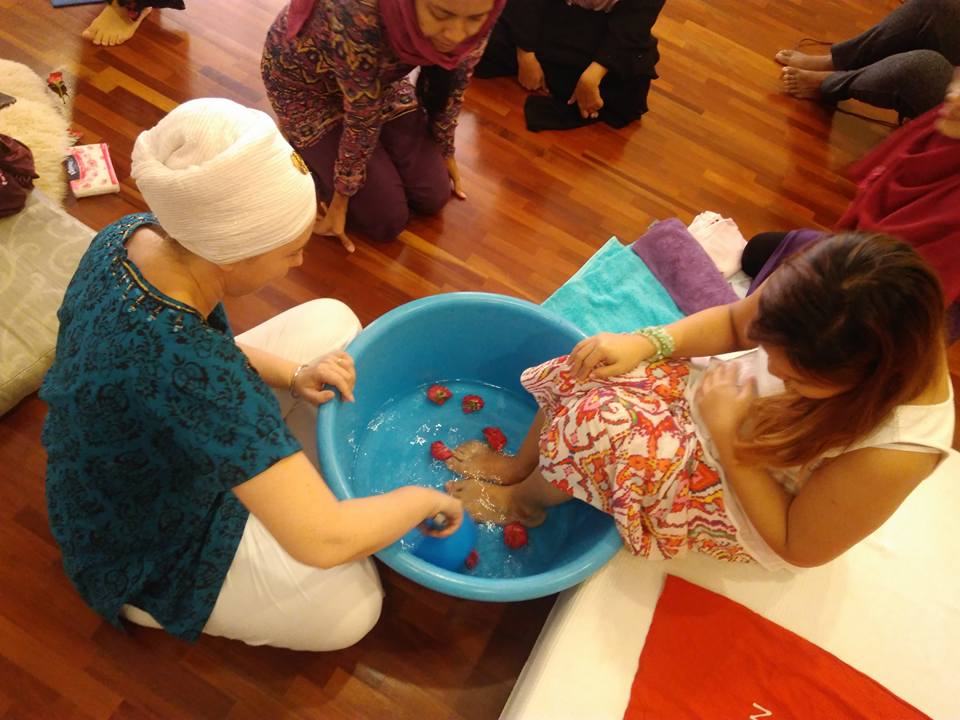
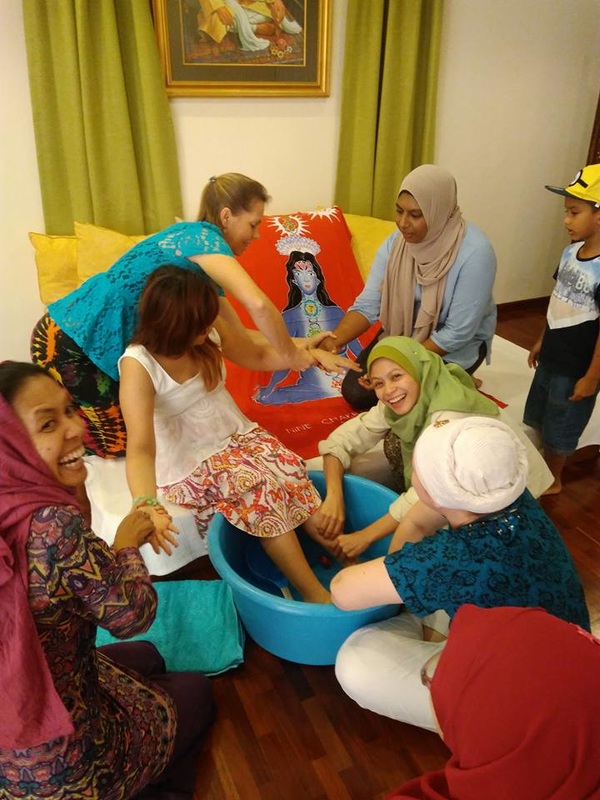
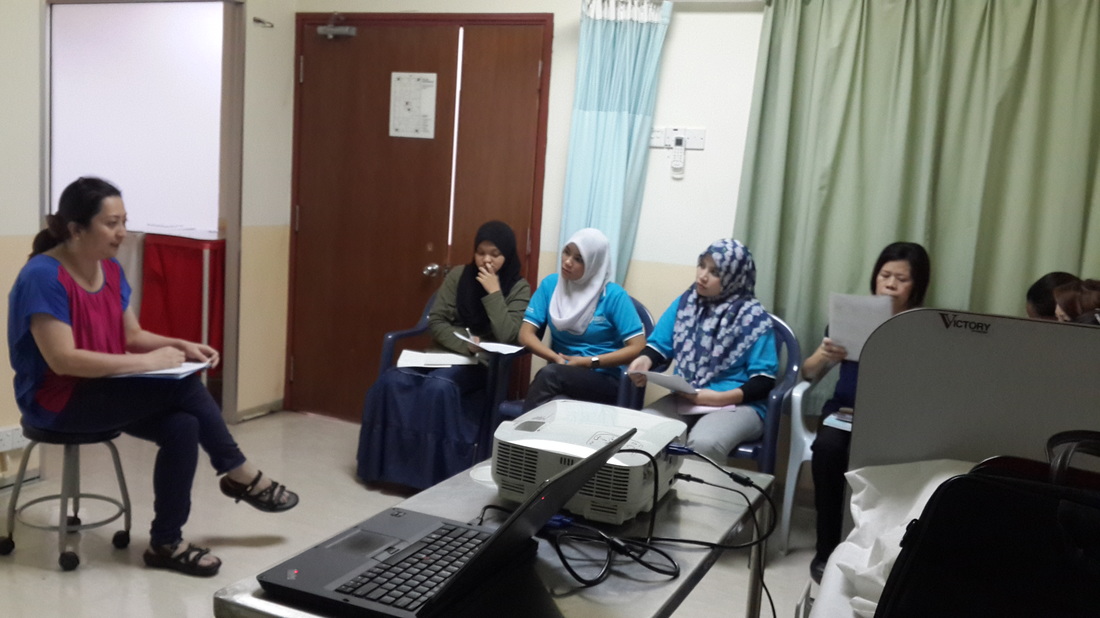
A supportive doctor and reassuring presence of a doula are essential in a gentle birth.
5. Stay Active
Engaging in regular movement and exercise during pregnancy is crucial to achieving a gentle birth. Studies show that mothers who engage in regular exercise during pregnancy can have shorter labours. Consider joining a prenatal yoga or pilates class that can help not only increase your stamina, improve flexibility and tone your body but also reduce stress levels.
Keeping mobile and upright during labour and birth is also paramount to achieving a gentle birth. When a mother is able to work with the sensations of her body and assume upright positions, she allows gravity to aid and speed up the birth process. Studies show that when the mother walks and moves during the first stage of labour, it can reduce the duration of labour and decrease the chances of needing an epidural or cesarean section.
6. Consider Enrolling in a HypnoBirthing Course
HypnoBirthing is a method that uses mindfulness, relaxation, breathing and self-hypnosis techniques to influence the subconscious mind and reduce stress and pain during labor. It is usually presented in the format of a complete antenatal course for the expecting mother and father. Many mothers report that the techniques taught in HypnoBirthing help to ease the labour pain. Many childbirth education centers in Malaysia offer Hypnobirthing classes to equip expectant mothers with techniques to achieve a calmer birthing experience. You can join a HypnoBirthing Preview that is usually free of charge to find out more about what the course entails.
7. Read Positive Birth Stories
Reading or listening to success stories from other mothers who have experienced gentle births in Malaysia can be comforting and assuring. These stories often emphasize the positive impact of gentle birth on both mother and baby, showcasing the transformative power of this approach.
8. Prepare Yourself Mentally
The importance of mental preparation for a gentle birth cannot be over emphasized. Mindfulness practices, breathing exercises and relaxation techniques should all be incorporated into your daily routine throughout pregnancy, so that the mind, nervous system and body can get used to self-regulating and easily default to a relaxed, calm state. If you decide to join HypnoBirthing classes, you will be taught exactly how to practice these relaxation techniques under the guidance of a trained practitioner.
Engaging in regular movement and exercise during pregnancy is crucial to achieving a gentle birth. Studies show that mothers who engage in regular exercise during pregnancy can have shorter labours. Consider joining a prenatal yoga or pilates class that can help not only increase your stamina, improve flexibility and tone your body but also reduce stress levels.
Keeping mobile and upright during labour and birth is also paramount to achieving a gentle birth. When a mother is able to work with the sensations of her body and assume upright positions, she allows gravity to aid and speed up the birth process. Studies show that when the mother walks and moves during the first stage of labour, it can reduce the duration of labour and decrease the chances of needing an epidural or cesarean section.
6. Consider Enrolling in a HypnoBirthing Course
HypnoBirthing is a method that uses mindfulness, relaxation, breathing and self-hypnosis techniques to influence the subconscious mind and reduce stress and pain during labor. It is usually presented in the format of a complete antenatal course for the expecting mother and father. Many mothers report that the techniques taught in HypnoBirthing help to ease the labour pain. Many childbirth education centers in Malaysia offer Hypnobirthing classes to equip expectant mothers with techniques to achieve a calmer birthing experience. You can join a HypnoBirthing Preview that is usually free of charge to find out more about what the course entails.
7. Read Positive Birth Stories
Reading or listening to success stories from other mothers who have experienced gentle births in Malaysia can be comforting and assuring. These stories often emphasize the positive impact of gentle birth on both mother and baby, showcasing the transformative power of this approach.
8. Prepare Yourself Mentally
The importance of mental preparation for a gentle birth cannot be over emphasized. Mindfulness practices, breathing exercises and relaxation techniques should all be incorporated into your daily routine throughout pregnancy, so that the mind, nervous system and body can get used to self-regulating and easily default to a relaxed, calm state. If you decide to join HypnoBirthing classes, you will be taught exactly how to practice these relaxation techniques under the guidance of a trained practitioner.

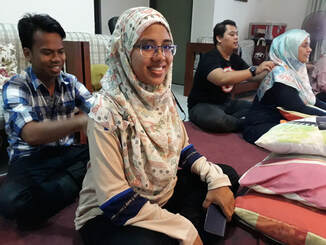
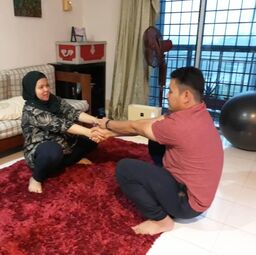
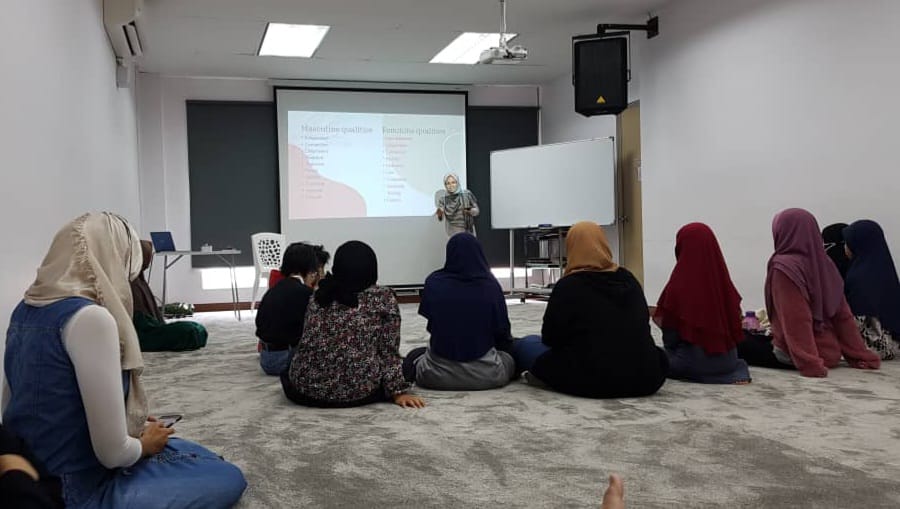
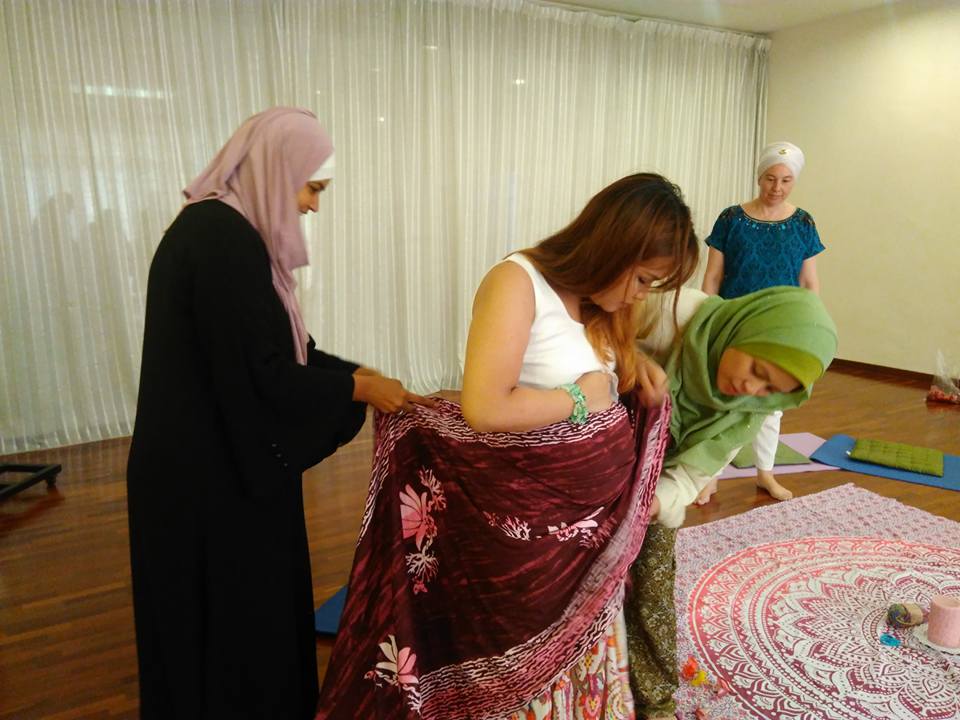
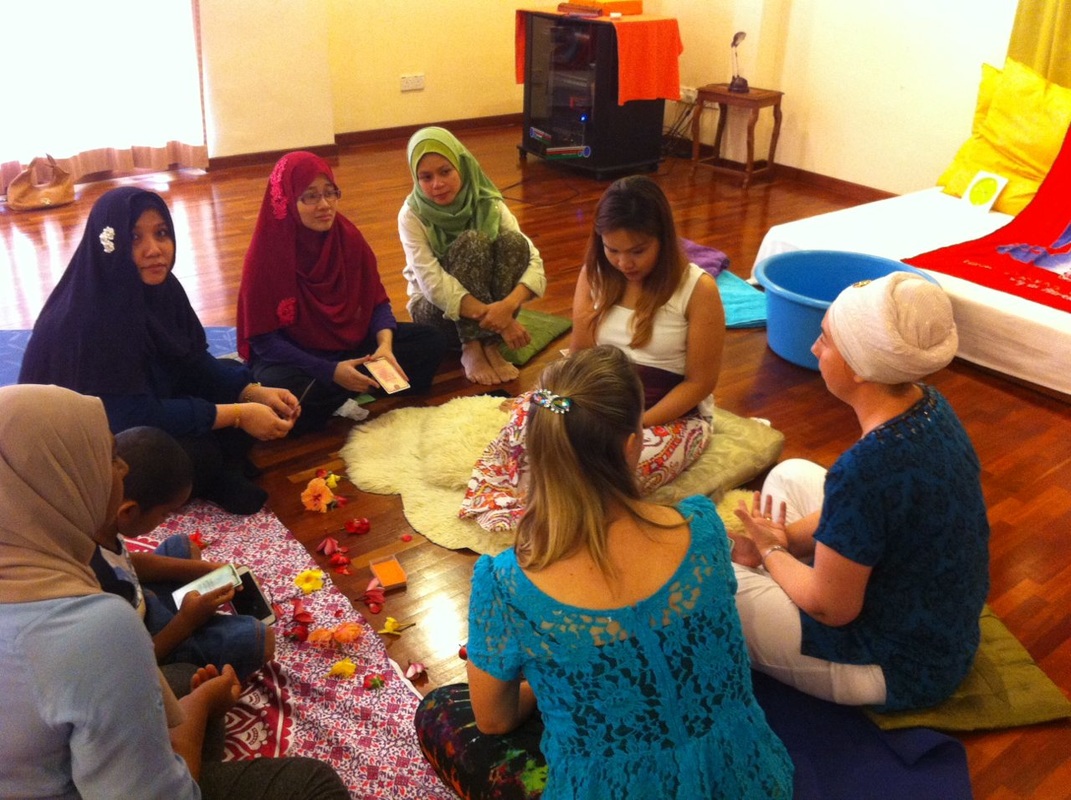
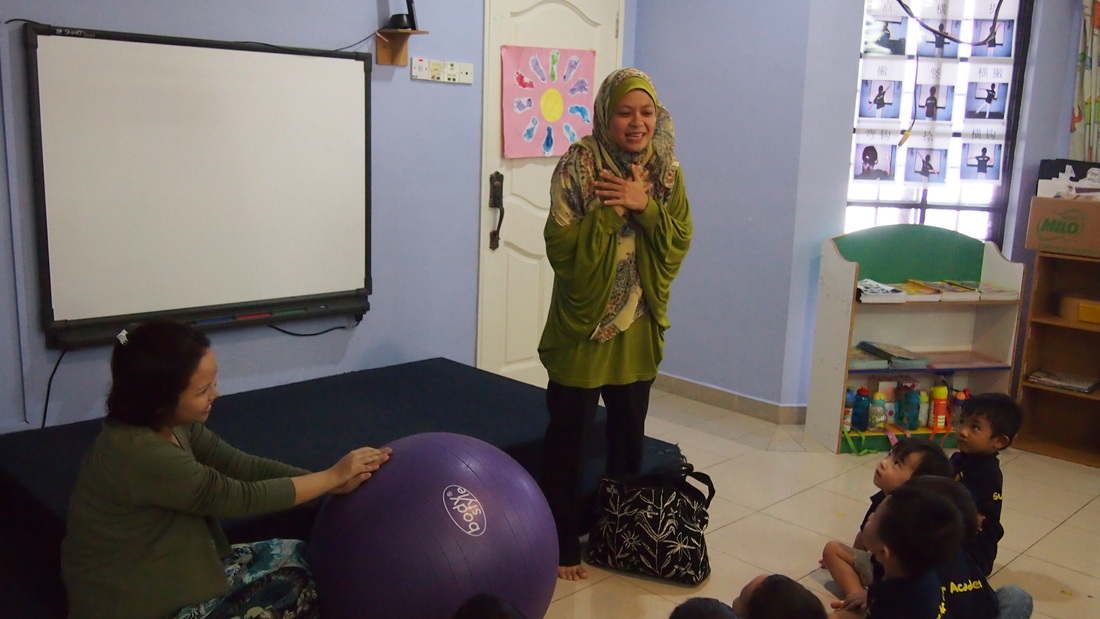
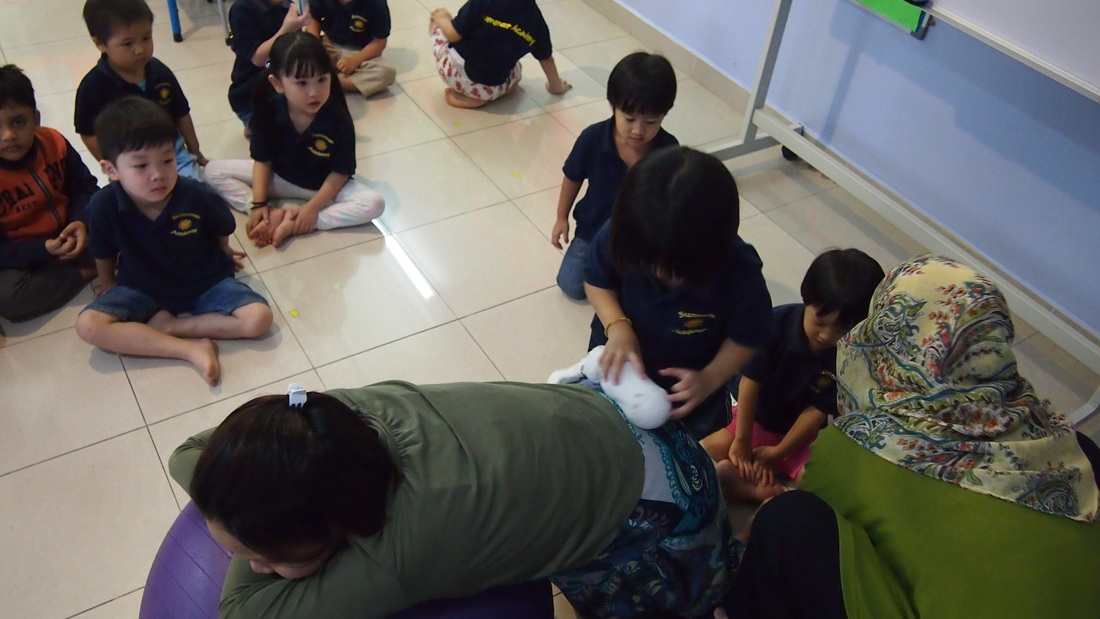
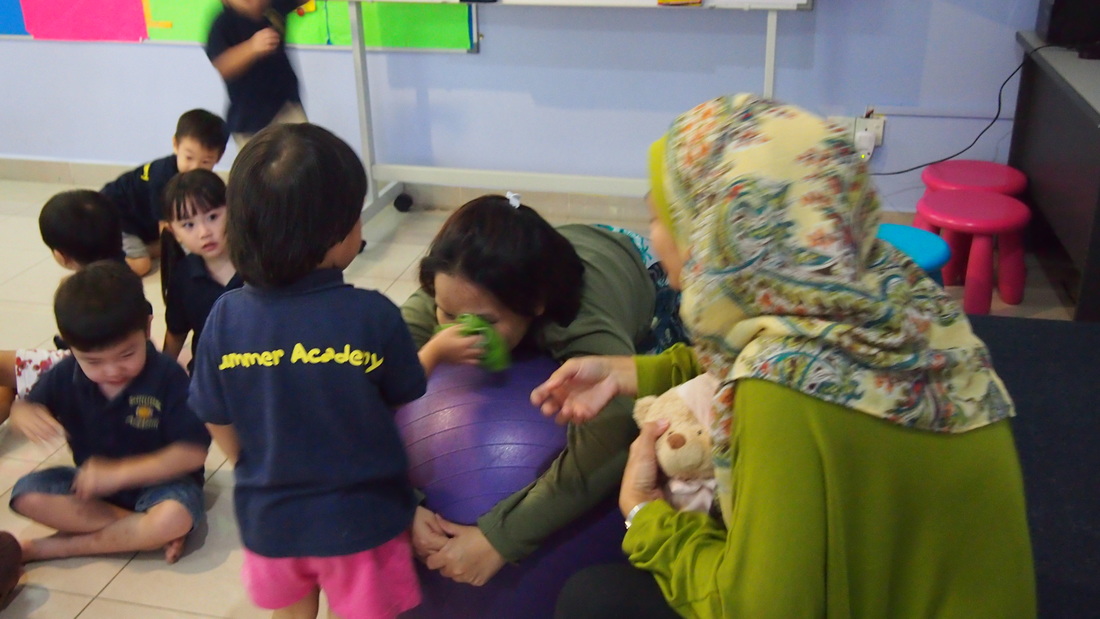
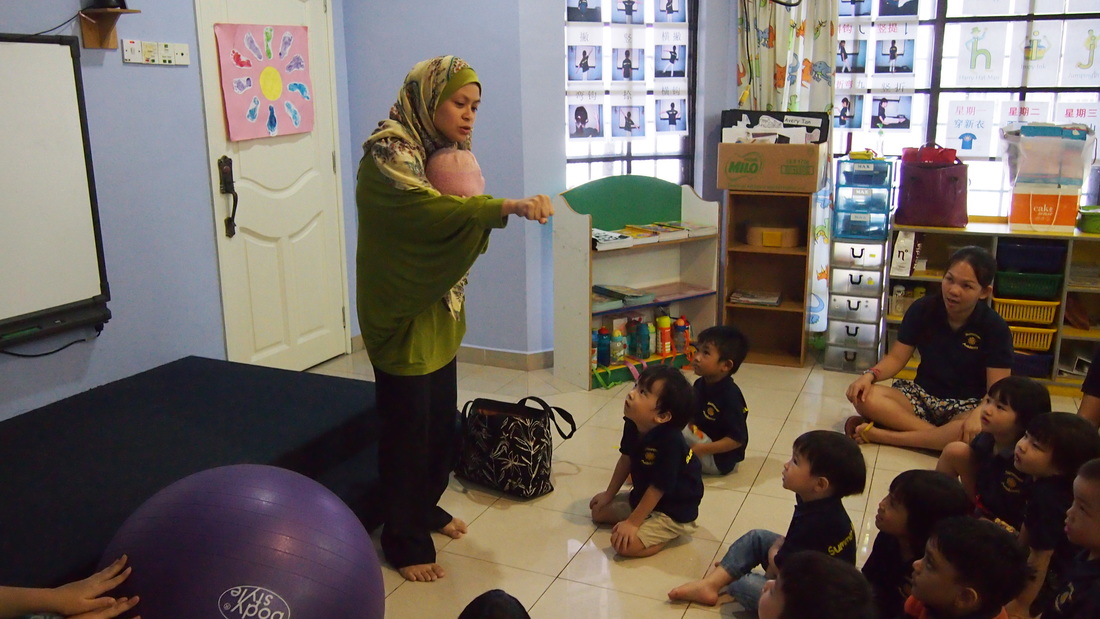
HypnoBirthing classes equip both mother and father with tools to navigate birth with confidence.
9. Get Community Support
Network with other expecting mothers in Malaysia to learn how they went through their birth experiences. The Gentle Birthing Group Malaysia is one such community support group that connects mothers wishing to have a gentle birth in Malaysia. Sharing and learning from each other's experiences can create camaraderie and decrease feelings of overwhelm and loneliness.
10. Consider Water birth
Water birth is a method that involves laboring and giving birth in a warm, buoyant tub of water. Water birth can reduce the sensation of labour pains by providing a soothing and calm environment. Studies show that waterbirth can reduce the risk of a cesarean section, reduce postpartum hemorrhage and increase satisfaction for the mother. It has also been shown to reduce the time the mother spends in labour. In Malaysia, Pantai Hospital in Kuala Lumpur now offers water birth as a birthing option for low-risk mothers. As a doula who has supported many mothers, I have seen mothers visibly relax as soon as they immerse themselves in a warm tub of water, to the point where they are able to manage the labour sensations with greater ease.
11. Assemble a Supportive Birth Team
Consider assembling a support team that will help you experience a gentle birth. This typically comprises your spouse or partner, other family members or friends and the hospital labour ward staff. Communicate your birth preferences to them to ensure that they are on the same page as you. Having people who understand and support you can contribute to a calm and positive birthing experience.
Conclusion
Many pregnant mothers are seeking ways to reduce anxiety and stress, and give birth with a greater sense of calm. Gentle birth provides mothers a way to approach their birth with confidence and a sense of empowerment, rather than feeling hopeless or passive. If you’re expecting a child in 2024 and seeking a calm, holistic and empowering way to birth your baby, gentle birth can yield some solutions. An earnest and consistent effort to empower yourself with knowledge through joining HypnoBirthing classes, choosing the right care provider and implementing all the other steps listed above can result in a transformative life experience and a smooth transition into motherhood.
Network with other expecting mothers in Malaysia to learn how they went through their birth experiences. The Gentle Birthing Group Malaysia is one such community support group that connects mothers wishing to have a gentle birth in Malaysia. Sharing and learning from each other's experiences can create camaraderie and decrease feelings of overwhelm and loneliness.
10. Consider Water birth
Water birth is a method that involves laboring and giving birth in a warm, buoyant tub of water. Water birth can reduce the sensation of labour pains by providing a soothing and calm environment. Studies show that waterbirth can reduce the risk of a cesarean section, reduce postpartum hemorrhage and increase satisfaction for the mother. It has also been shown to reduce the time the mother spends in labour. In Malaysia, Pantai Hospital in Kuala Lumpur now offers water birth as a birthing option for low-risk mothers. As a doula who has supported many mothers, I have seen mothers visibly relax as soon as they immerse themselves in a warm tub of water, to the point where they are able to manage the labour sensations with greater ease.
11. Assemble a Supportive Birth Team
Consider assembling a support team that will help you experience a gentle birth. This typically comprises your spouse or partner, other family members or friends and the hospital labour ward staff. Communicate your birth preferences to them to ensure that they are on the same page as you. Having people who understand and support you can contribute to a calm and positive birthing experience.
Conclusion
Many pregnant mothers are seeking ways to reduce anxiety and stress, and give birth with a greater sense of calm. Gentle birth provides mothers a way to approach their birth with confidence and a sense of empowerment, rather than feeling hopeless or passive. If you’re expecting a child in 2024 and seeking a calm, holistic and empowering way to birth your baby, gentle birth can yield some solutions. An earnest and consistent effort to empower yourself with knowledge through joining HypnoBirthing classes, choosing the right care provider and implementing all the other steps listed above can result in a transformative life experience and a smooth transition into motherhood.
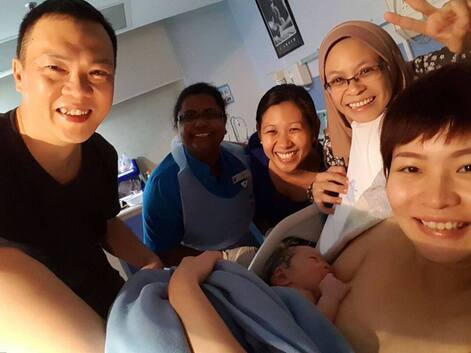
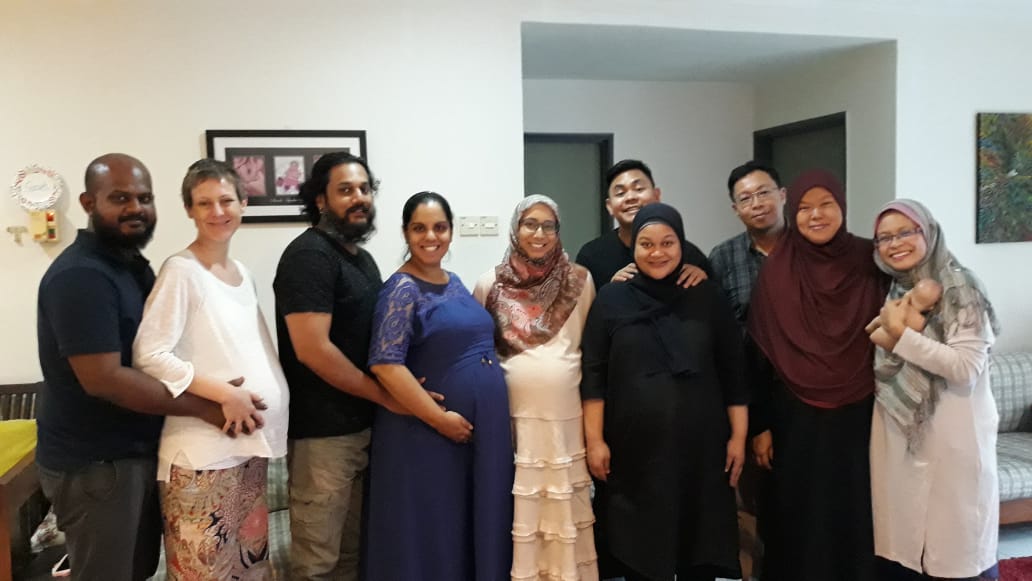
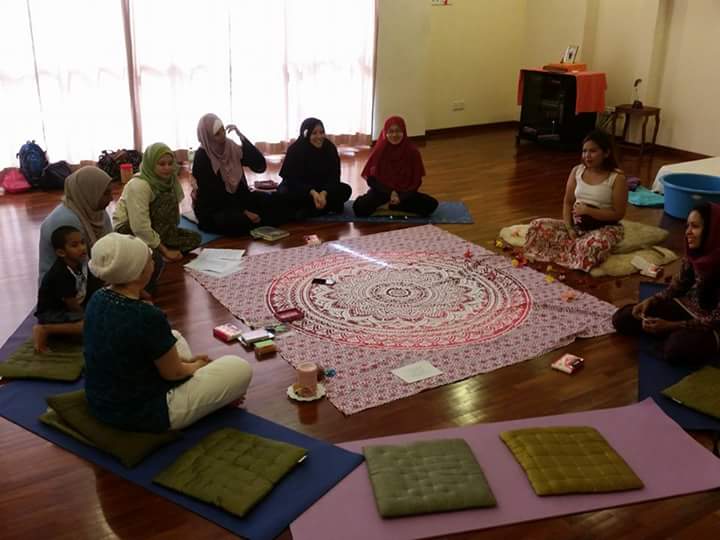
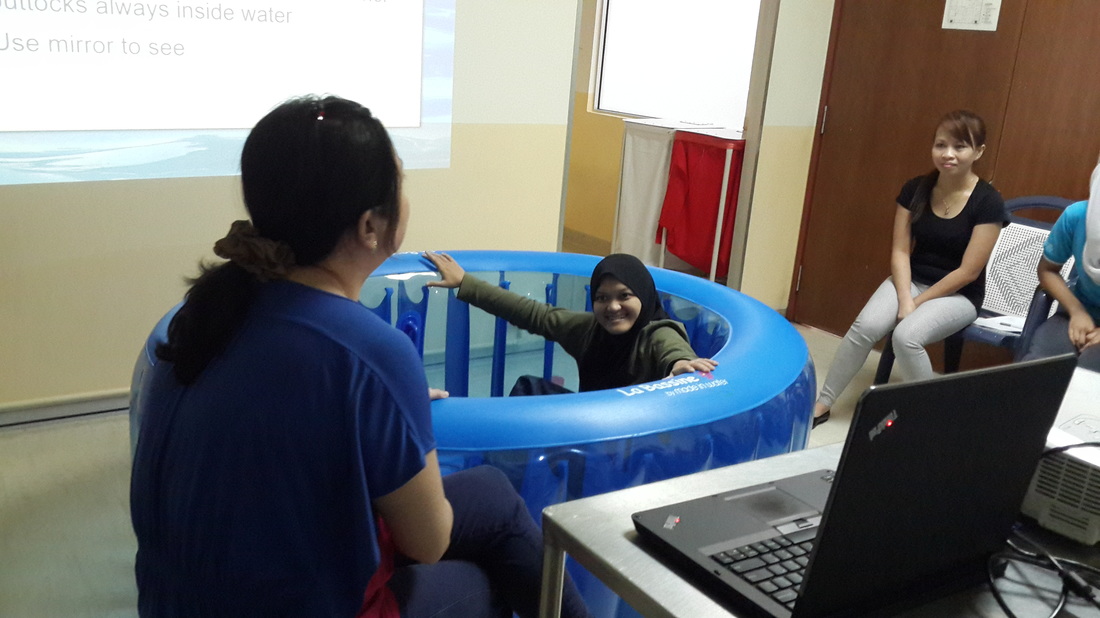
When the whole birthing team work to support the mother, birth can be an empowering experience.



 RSS Feed
